
Chosen by
Customers Worldwide
The global construction industry, including both residential building and civil engineering, represents the largest area of aluminium consumption, using approximately one quarter of total aluminium production. This is largely due to aluminium’s unique combination of lightweight properties, strength, and design flexibility. In modern construction, aluminium helps meet essential demands such as reducing structural weight, ensuring durability and stability, and providing strong resistance to corrosion.
Unlocking Innovation Through Casting
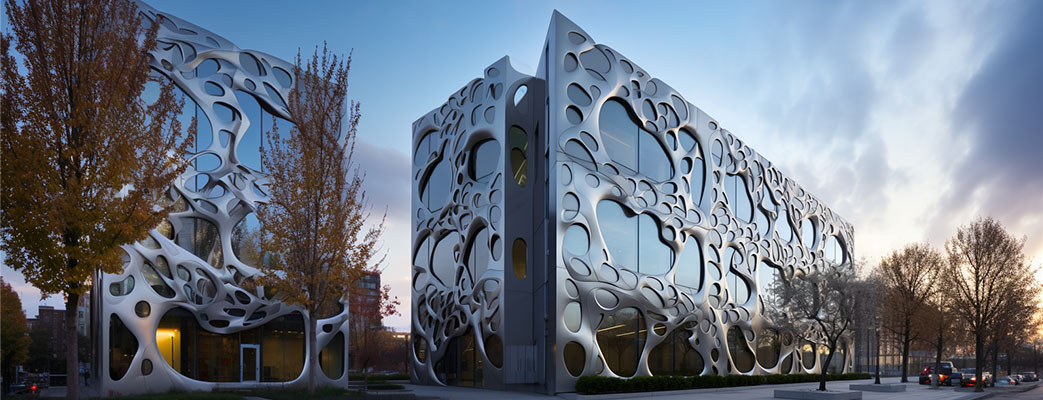
Aluminium is widely used in applications such as windows, doors, façades, roofing systems, and wall structures. While architectural projects have traditionally relied on aluminium sheets and profiles, we expand these possibilities through customised aluminium casting solutions tailored to specific project requirements. Thanks to the high level of design flexibility offered by aluminium castings, architects and designers can achieve complex shapes, refined aesthetics, and innovative structures that were previously difficult or impossible to realise.
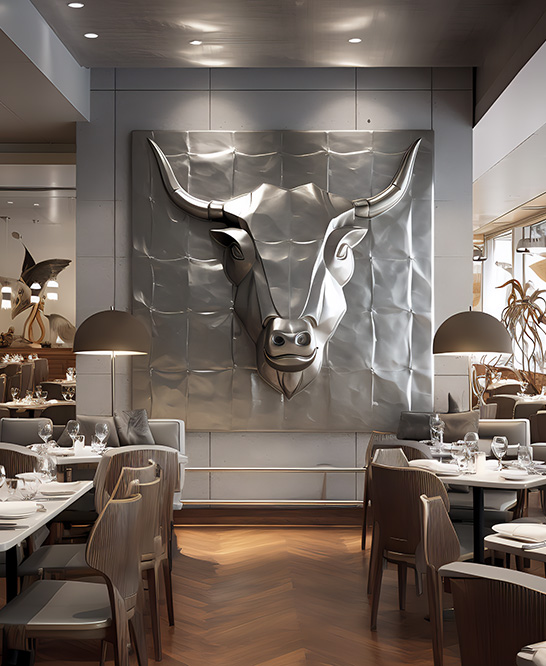
What are the advantageous properties of aluminum casting 's in architecture?
- Corrosion resistance reduces maintenance effort
- Low density / weight allows the use of lightweight structures
- Design freedom enables unique design

Examples of aluminium castings
in architecture
Examples
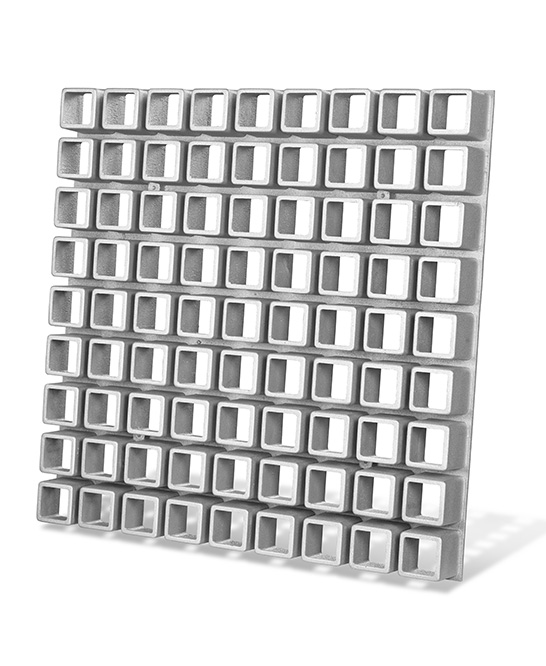
- Interior design panels
- Fences
- Facades
- Carports
Taguss Casting Expertise for
Architecture
New Dimension of Automated Sand Casting
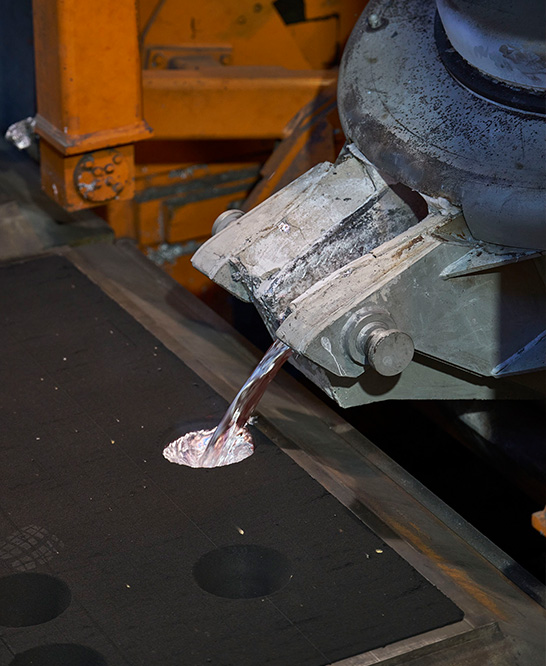
We optimize mass production using our advanced automated bentonite moulding line:
Casting processes- Maximum moulding box dimensions: up to 1560 x 1110 x 750 mm.
- Component weight capacity: high-capacity casting up to 120 kg.
- Process:fully automated green sand moulding for ultimate cost efficiency.
- Benefit:maximum geometric repeatability with reduced unit costs.

Got any questions? Or need advice?
Use the form or contact us