
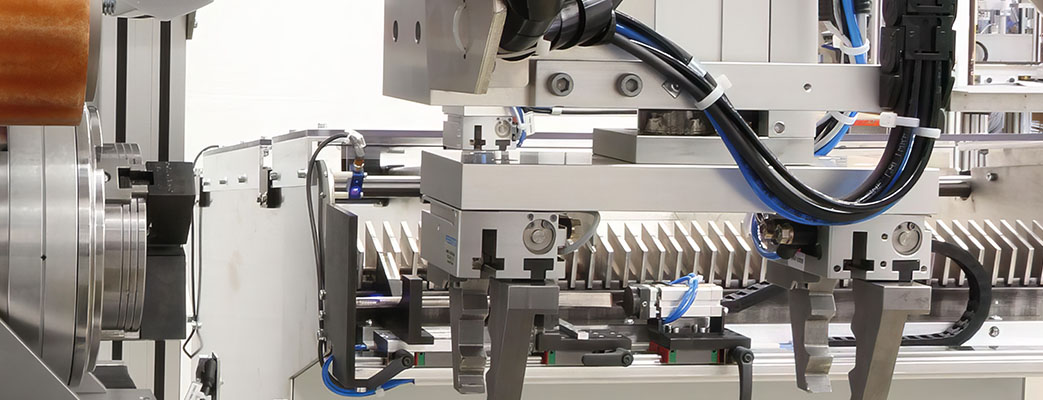
Aluminum
– A Modern Alternative to Steel
Mechanical engineering has always played a vital role in industrial development. Today, aluminium casting is increasingly recognized as the preferred material, combining high strength, lightweight properties, and exceptional versatility. Although steel was once the dominant choice in the industry, aluminium has gained a leading position thanks to its excellent formability and superior machining characteristics.
Unlimited Design
Possibilities
Modern machinery and components are becoming progressively lighter, resulting in reduced moving masses and shorter operating cycles. Aluminium castings make it possible to replace complex welded constructions with optimized, cost-efficient cast components designed for maximum functionality. In addition to technical advantages, aluminium also enables sleek and modern shapes, supporting innovative and visually attractive engineering designs.
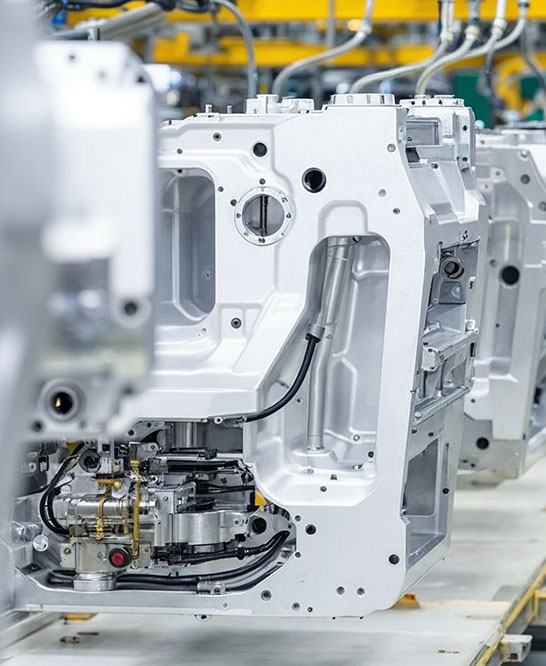
What are the advantageous properties for aluminum castings in mechanical engineering?
- Aluminum reduces the weight of modern systems and brings advantages for transport, ceiling loads, and foundations
- Corrosion resistant for use in demanding operational environments
- High electrical and thermal conductivity for optimal heat dissipation
- Components made of aluminum casting are vibration-damping

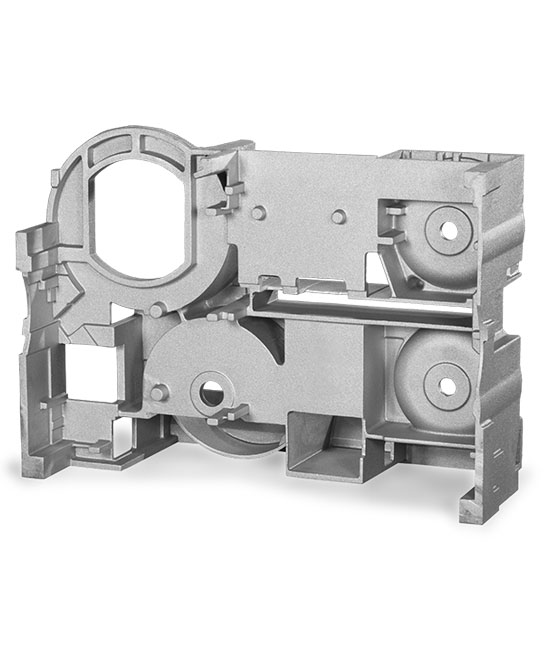
Examples of aluminium castings in mechanical engineering
Examples- Machine beds
- Portals
- Process chambers
- Side panels
- Machine frames
Taguss Casting Expertise for
Mechanical Engineering
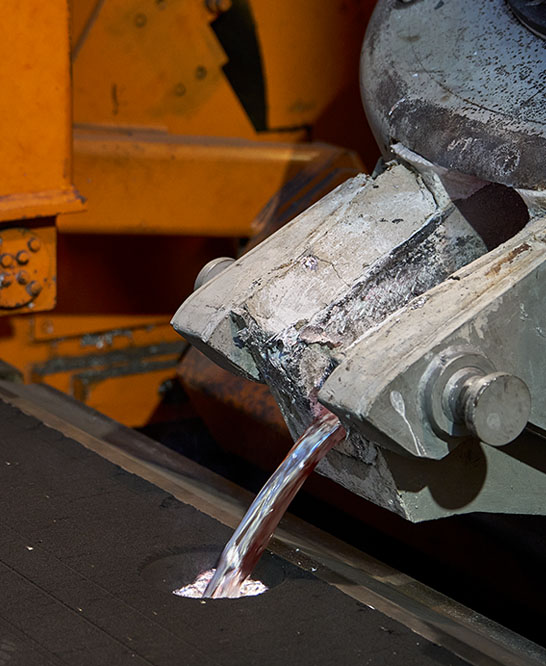
New Dimension of Automated Sand Casting
We optimize mass production using our advanced automated bentonite moulding line:
Casting processes- Maximum moulding box dimensions: up to 1560 x 1110 x 750 mm.
- Component weight capacity: high-capacity casting up to 120 kg.
- Process:fully automated green sand moulding for ultimate cost efficiency.
- Benefit:maximum geometric repeatability with reduced unit costs.

Got any questions? Or need advice?
Use the form or contact us